Rules in force 16–22 November 2026: customs for express parcels and energy audits
Two documents take effect in Vietnam on 16–22 November 2026: Circular 142/2026/TT-BTC changes customs procedures for goods sent by post and international express, adding electronic identification and authentication (from 16 November); and Circular 64/2026/TT-BCT replaces Circular 25/2020 on energy plans, reports and energy audits (from 20 November). Here are the key changes, deadlines and what businesses should do.
 3M Team··6 min read
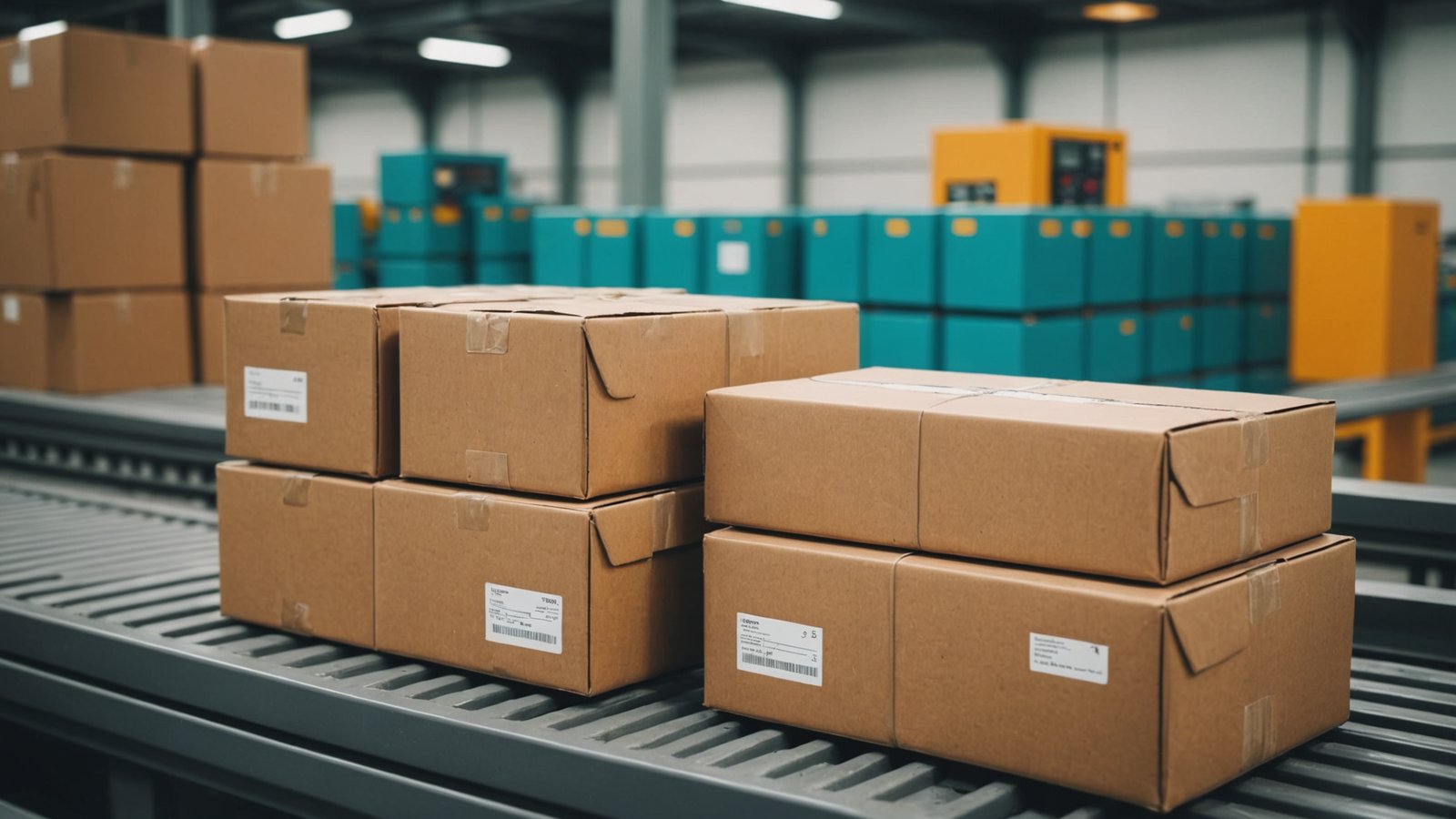
This week (16–22 November 2026), two documents take effect that many small and medium-sized businesses should know about. One changes how goods sent by post and international express are declared to customs. The other resets the energy planning, reporting and audit duties of facilities that use a lot of energy.
| Document | Subject | In force |
|---|---|---|
| Circular 142/2026/TT-BTC | Customs for postal and international express goods | 16 Nov 2026 |
| Circular 64/2026/TT-BCT | Energy plans, reports and energy audits | 20 Nov 2026 |
No new income tax, invoice or accounting-regime rules take effect this week (based on LuatVietnam's lists of decrees and circulars in force in November 2026).
1. Circular 142/2026/TT-BTC: customs for postal and international express goods
Number and dates. The Ministry of Finance issued Circular 142/2026/TT-BTC on 29 September 2026. It takes effect on 16 November 2026 (Thoi bao Tai chinh Viet Nam; Nhan Dan). It amends Circular 49/2015/TT-BTC (goods sent through the designated postal operator) and Circular 191/2015/TT-BTC (goods sent through international express services).
Key changes:
- Electronic identification and authentication. The circular adds an electronic identification and authentication requirement for Group 1 postal goods and for Group 1 and Group 2 express goods (Thoi bao Tai chinh Viet Nam).
- Carriers must notify senders and recipients. For Group 1 postal goods and Group 2 express goods, the postal or express company must notify the sender (exports) or the recipient (imports) so they can work with customs on identification and authentication (Nhan Dan).
- New electronic forms. Many declaration lists and data fields change, including the detailed list of imported and exported goods and the list of cleared low-value declarations. Low-value import declarations use procedure code A45 (Thoi bao Tai chinh Viet Nam).
- Paying taxes and fees on behalf of owners. Express companies may pay import tax, fines, late-payment interest and customs fees on behalf of the goods owner. They can prepay into a customs deposit account at the State Treasury, and the amount due on each declaration is deducted from that balance (Thoi bao Tai chinh Viet Nam; Nhan Dan).
Important: low value does not mean exempt from everything. A parcel's value is only one basis for its group. Being within the import-duty exemption threshold does not mean exemption from all taxes, and it does not replace licence or specialised-inspection conditions (Nhan Dan). The duty-free threshold still follows Decree 134/2016/ND-CP, as amended by Decree 18/2021/ND-CP (Doanh nghiep & Hoi nhap).
Who should care?
- Household businesses and small companies that sell online, or import samples and small batches by express courier.
- Businesses that send samples, documents or parts abroad by post or express.
- Accountants who track import taxes and fees paid by the courier on the company's behalf.
What should businesses do?
- Standardise sender and recipient details on orders: full name, tax code or ID number and address must match. Mismatched data can trigger requests for explanation and slow clearance (Doanh nghiep & Hoi nhap).
- Name one contact person to respond when the courier says identification or authentication is needed.
- Check the goods' import regime before ordering, not after the goods reach the border.
- Keep the courier's payment documents (notices, receipts) so import duty and import VAT are booked correctly to cost of goods or as deductible input VAT.
2. Circular 64/2026/TT-BCT: energy plans, reports and energy audits
Number and dates. The Ministry of Industry and Trade issued Circular 64/2026/TT-BCT on 30 September 2026. It takes effect on 20 November 2026 and replaces Circular 25/2020/TT-BCT (BNews/VNA).
Who must comply?
- Key energy-using facilities. According to Doanh nghiep & Hoi nhap (citing Article 3 of Decree 30/2026/ND-CP), these are industrial and agricultural production facilities and transport units using 1,000 TOE a year or more in total energy, and buildings (offices, hotels, supermarkets, restaurants, shops and similar) using 500 TOE a year or more. The test is total energy use, not the size of the electricity bill.
- The list is published by the province. Provincial People's Committees approve the list of key facilities in their area before 31 March each year (BNews/VNA). Check whether your facility is on it.
- State-budget agencies and units using 100,000 kWh of electricity a year or more must also report their previous year's energy use (BNews/VNA).
Annual deadlines (BNews/VNA):
| Task | Deadline |
|---|---|
| Report on previous year's energy use | Before 15 January |
| Next year's plan and report on last year's plan | Before 30 April |
| Five-year plan and report on the previous five-year cycle | Before 30 April of the cycle's first year |
| Energy audit report | Within 30 days of the report's issue date |
All plans and reports are filed online through the National Energy Use Database (dataenergy.vn).
Energy management model. Key facilities must publish an energy-saving policy and targets, appoint an energy manager, maintain metering, set an energy baseline and specific energy consumption (SEC), and run training (BNews/VNA).
Mandatory energy audit every three years. Audit reports issued before 20 November 2026 stay valid for three years from their issue date (Clause 3, Article 12 of Circular 64/2026/TT-BCT, per Doanh nghiep & Hoi nhap).
What should businesses do?
- Add up total 2026 energy use (electricity, oil, coal, gas and so on), convert it to TOE, and compare it with the 1,000 TOE or 500 TOE threshold.
- Check the issue date of your last energy audit report. If it is more than three years old, plan a new audit.
- Prepare data for the 15 January 2027 deadline. Accounting should reconcile consumption figures with the electricity and fuel invoices already booked, so the report matches the books.
- Put energy-audit costs into the 2027 budget and keep contracts and invoices so the cost is deductible.
How 3M can help
3M supports businesses with full-service accounting: bookkeeping, tax filings, financial statements and regular compliance reviews. For goods imported by express courier, we help reconcile the courier's tax and fee payment documents and book import duty and import VAT correctly.
Not sure your company files are up to date with the new rules? Book a 30-minute call with us for a free review.
Talk to us:
- Hotline / Zalo: +84 33 827 0386 · Message on Zalo
- Email: [email protected]
Sources:
- Thoi bao Tai chinh Viet Nam – Ministry of Finance pushes digital customs procedures for postal and express goods (2 Oct 2026)
- Nhan Dan – Standardising customs declarations for express goods (3 Oct 2026)
- Doanh nghiep & Hoi nhap – Circular 142/2026/TT-BTC: electronic authentication in international express delivery (19 Oct 2026)
- BNews/VNA – New rules on energy planning, reporting and energy audits (5 Oct 2026)
- Doanh nghiep & Hoi nhap – Businesses should review energy-audit duties before 20 November
- LuatVietnam – List of circulars in force in November 2026
- LuatVietnam – List of decrees in force in November 2026
This article is for general information only and does not replace advice on a specific case. Check the full text of each document before applying it.
Related Articles

Rules in force from 15 November 2026: security and order conditions for businesses, AI in banking and digital signatures

New rules in November 2026: 30% income tax cut, statistics penalties, data penalties and hiring Vietnamese staff for foreign organisations